
Introduction
Mexico is a country steeped in rich history and vibrant cultural heritage, making it a fascinating destination for travelers. From ancient civilizations to colonial architecture and modern-day traditions, Mexico offers a diverse array of experiences that reflect its unique past. This article explores some of the most significant historical sites and cultural practices that travelers should consider while visiting Mexico.
1. Ancient Civilizations
The Maya Civilization
The ancient Maya civilization is one of the most significant cultures in Mexican history. Stretching across present-day southeastern Mexico, Guatemala, and Belize, the Maya were known for their advanced knowledge in astronomy, mathematics, and architecture.
Must-Visit Maya Sites
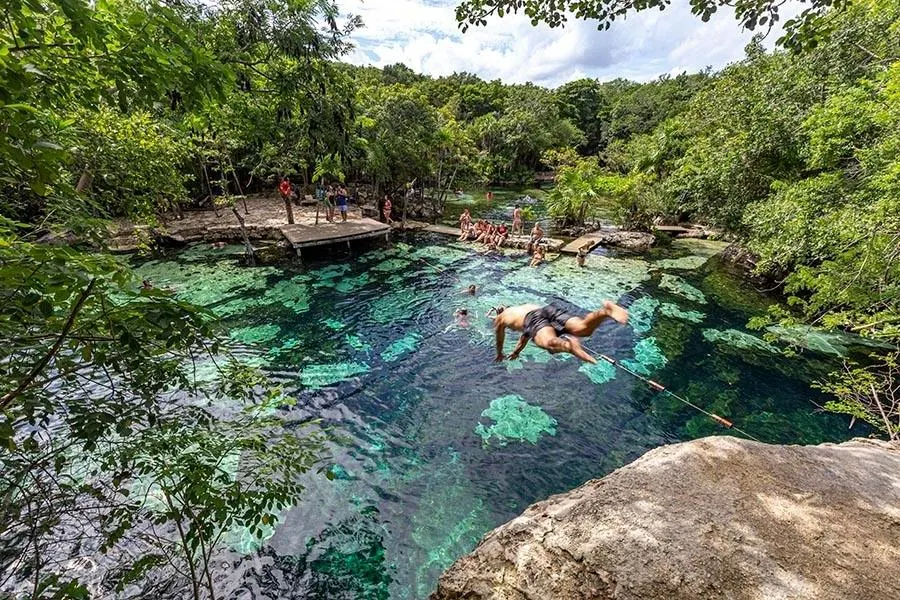
- Chichen Itza: This UNESCO World Heritage site is home to the iconic El Castillo pyramid, a symbol of the Maya civilization. Visitors can explore the ancient ball court, observatory, and cenote while learning about the Mayans’ impressive architectural achievements.
- Tulum: Known for its stunning coastal views, Tulum is one of the last cities built by the Maya. The well-preserved ruins overlook the Caribbean Sea, making it a picturesque destination for history enthusiasts and beach lovers alike.
- Palenque: Nestled in the lush Chiapas jungle, Palenque features stunning temples and tombs, showcasing the Maya’s architectural prowess. The Temple of the Inscriptions is particularly notable, as it houses the tomb of the Maya ruler Pakal.
The Aztec Empire
The Aztec civilization thrived in central Mexico from the 14th to the 16th centuries, known for its powerful empire and rich cultural practices.
Significant Aztec Sites
- Teotihuacan: Often referred to as the “City of the Gods,” Teotihuacan is one of the most important archaeological sites in Mexico. The Pyramid of the Sun and the Pyramid of the Moon are must-see structures that reveal the city’s historical significance.
- Tenochtitlan: Once the capital of the Aztec Empire, Tenochtitlan is now modern-day Mexico City. The Templo Mayor, located in the city’s historic center, is a fascinating site where visitors can learn about the Aztec culture and view artifacts from the era.
2. Colonial Heritage
The Spanish Conquest
The arrival of Spanish conquistadors in the early 16th century marked a significant turning point in Mexico’s history. The Spanish colonial period introduced new architectural styles, religions, and cultural practices.
Colonial Cities to Explore
- Mexico City: As the capital, Mexico City is a treasure trove of colonial architecture. The historic center, with its grand cathedrals and palaces, reflects the city’s colonial past. Don’t miss the Metropolitan Cathedral and the Palacio de Bellas Artes.
- Oaxaca: This charming city is known for its well-preserved colonial buildings and vibrant markets. The stunning Santo Domingo Church and the nearby Monte Albán archaeological site offer insights into both colonial and pre-Columbian history.
- San Miguel de Allende: Renowned for its stunning colonial architecture and artistic community, San Miguel de Allende is a UNESCO World Heritage site. Its colorful streets, beautiful churches, and vibrant art scene make it a popular destination for travelers.
3. Living Traditions
Festivals and Celebrations
Mexican culture is rich with traditions and celebrations that reflect its diverse heritage. Participating in local festivals provides travelers with a unique opportunity to experience the country’s vibrant culture.
Notable Festivals
- Dia de los Muertos (Day of the Dead): Celebrated on November 1 and 2, this colorful festival honors deceased loved ones. Altars adorned with flowers, candles, and photos can be found in homes and cemeteries across the country. Visitors can participate in parades, enjoy traditional foods, and witness the cultural significance of this celebration.
- Cinco de Mayo: Contrary to popular belief, Cinco de Mayo is not Mexico’s Independence Day. It commemorates the Battle of Puebla, where Mexican forces defeated the French in 1862. The day is celebrated with parades, music, and traditional foods, particularly in the state of Puebla.
- Las Posadas: This festive tradition occurs during the nine days leading up to Christmas. Participants reenact Mary and Joseph’s search for shelter, singing carols and visiting homes in search of “posada” (shelter). The celebrations culminate in festive gatherings with food and drinks.
Arts and Crafts
Mexico is known for its vibrant arts and crafts, many of which reflect its rich cultural heritage. From traditional pottery to colorful textiles, visitors can explore local markets and artisan workshops.
Local Artisans
- Talavera Pottery: Originating from the city of Puebla, Talavera pottery is known for its intricate designs and vibrant colors. Visitors can explore workshops and purchase unique handcrafted pieces.
- Oaxacan Weaving: The indigenous communities of Oaxaca are renowned for their weaving techniques, creating beautiful textiles that showcase traditional designs. Visiting a local weaving workshop provides insight into the artistry and cultural significance of these crafts.
4. Culinary Heritage
Traditional Mexican Cuisine
Mexican cuisine is recognized as a UNESCO Intangible Cultural Heritage of Humanity. The use of native ingredients and traditional cooking techniques creates a diverse and flavorful culinary landscape.
Culinary Experiences
- Cooking Classes: Taking a cooking class allows travelers to learn about traditional dishes and ingredients. Many classes include visits to local markets to source fresh produce, followed by hands-on cooking experiences.
- Food Markets: Visiting local markets is a delightful way to experience the vibrant flavors of Mexican cuisine. Markets such as Mercado de San Juan in Mexico City offer a wide array of fresh ingredients, spices, and street food.
5. Museums and Cultural Centers
A Journey Through History
Mexico is home to numerous museums and cultural centers that showcase its rich history and cultural heritage.
Must-Visit Museums
- National Museum of Anthropology (Museo Nacional de Antropología): Located in Mexico City, this museum houses an extensive collection of pre-Columbian artifacts, including the Aztec Calendar Stone and Maya sculptures.
- Frida Kahlo Museum (Casa Azul): This iconic blue house in Coyoacán, Mexico City, was the birthplace and home of the famous artist Frida Kahlo. The museum showcases her life, artwork, and personal belongings, providing insight into her unique perspective.
- Museo de Arte Popular: This museum celebrates Mexican folk art and craftsmanship, showcasing a wide range of traditional art forms, including textiles, pottery, and sculptures.
Conclusion
Traveling through Mexico offers a captivating journey through its rich history and cultural heritage. From ancient ruins and colonial cities to vibrant festivals and culinary delights, there is much to explore and appreciate. By immersing yourself in Mexico’s diverse culture, you’ll gain a deeper understanding of its past and present, making your travel experience all the more enriching. Whether you’re wandering through historic sites, savoring traditional dishes, or participating in local festivities, Mexico promises a journey filled with unforgettable memories.