
Travel Insurance: Don’t Leave Home Without It. (And Your Peace of Mind.)
Introduction
Picture this: You’re finally on that dream vacation. The sun is shining, the food is incredible, and you’re creating memories that will last a lifetime. Now, imagine a sudden twist. A nasty fall leads to a sprained ankle, or worse. Your luggage goes missing, containing essential medications. Or, worst of all, a family emergency back home forces you to cut your trip short. Suddenly, paradise feels a whole lot less idyllic.
These aren’t just hypothetical scenarios; they’re the realities that travelers face every single day. And while you can’t predict the future, you can certainly prepare for it, starting with a simple yet crucial step: securing travel insurance.
Think of travel insurance as your safety net, your backup plan, your “just in case” for all things travel-related. It’s not the most exciting part of planning a trip, but it’s arguably one of the most important. Why? Because without it, a minor inconvenience can quickly snowball into a major financial headache and a significant drain on your emotional well-being.
The Ripple Effect: Short-Term Frustrations, Long-Term Impact
The immediate impact of a travel mishap can be frustrating. Imagine the stress of navigating a foreign hospital with a language barrier, or the panic of realizing your passport is gone. But the long-term consequences can be far more damaging. A hefty medical bill in a foreign country can wipe out your savings. Lost or stolen belongings can leave you feeling vulnerable and exposed. A cancelled trip can mean losing non-refundable payments on flights and accommodations.
The short-term frustration is obvious. The long-term impacts can follow you home and stay with you for years. Unexpected medical bills can affect your credit rating, making it harder to secure loans or even rent an apartment. The emotional toll of a negative travel experience can also linger, making you hesitant to plan future adventures.
The good news is that most of these problems can be avoided with a travel insurance policy.
Peace of Mind: What Travel Insurance Can Do For You
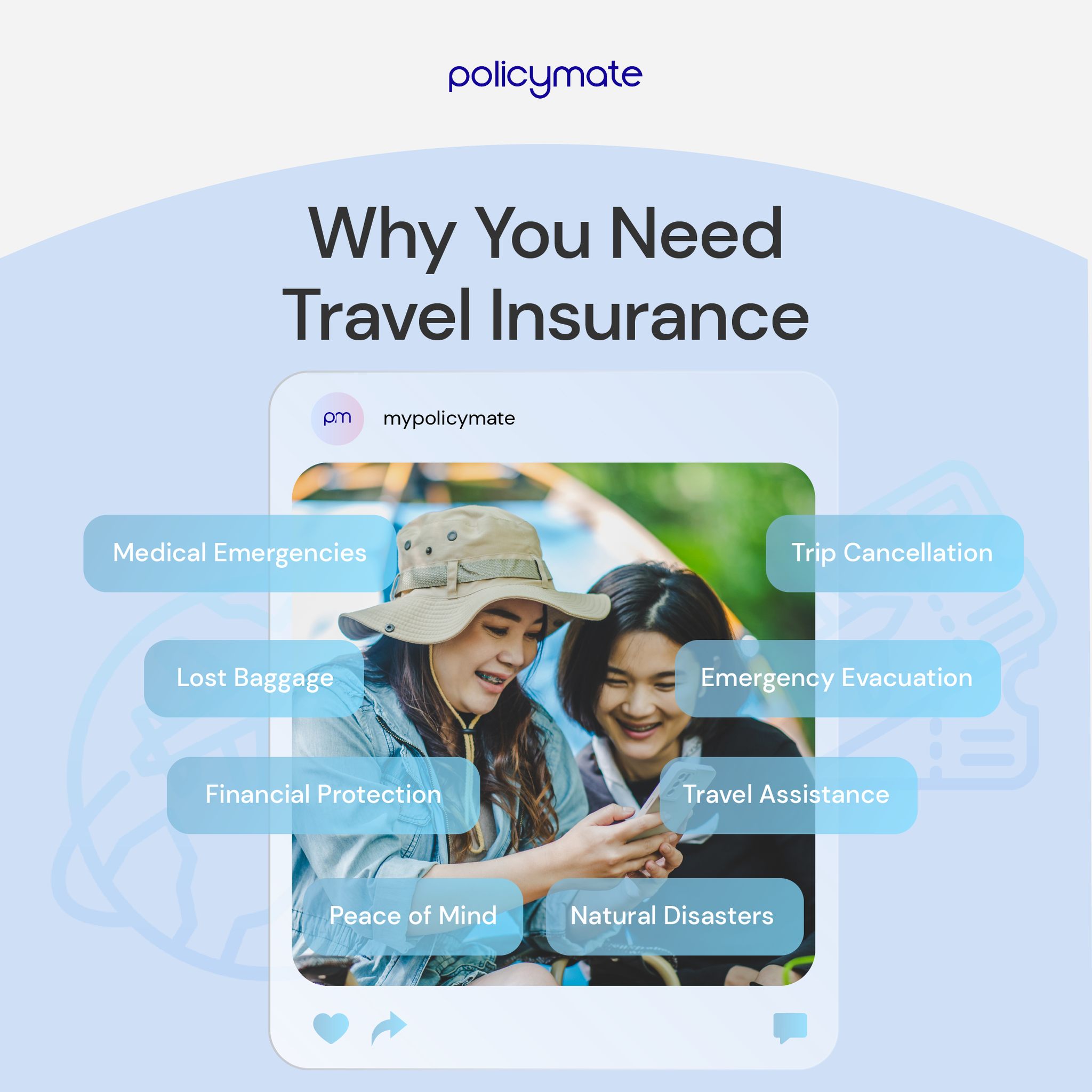
Travel insurance is designed to protect you from a wide range of unexpected events. Here are some of the key benefits:
- Medical Coverage: This is perhaps the most crucial aspect. It covers medical expenses if you get sick or injured while traveling, including hospital stays, doctor’s visits, and medication. Some policies even cover emergency medical evacuation, which can be incredibly expensive if you need to be transported to a better medical facility.
- Trip Cancellation/Interruption: Life happens. If you need to cancel or cut short your trip due to unforeseen circumstances (illness, family emergency, natural disaster), this coverage can reimburse you for non-refundable expenses.
- Lost/Stolen Baggage: Travel insurance can cover the cost of replacing lost, stolen, or damaged luggage and personal belongings.
- Travel Delays: If your flight is delayed or cancelled, leading to missed connections or additional expenses, this coverage can help reimburse you for meals, accommodation, and other necessary costs.
- 24/7 Assistance: Many travel insurance providers offer 24/7 assistance, providing you with support and guidance in case of emergencies, such as locating medical facilities or dealing with lost documents.
Finding the Right Fit: Tailoring Your Coverage
Choosing the right travel insurance policy can feel overwhelming, but it doesn’t have to be. Here are a few key considerations:
- Assess Your Needs: Think about your travel style, destination, and activities. Are you planning a relaxing beach vacation, or an adventurous trek through the mountains? Do you have any pre-existing medical conditions? The answers to these questions will help you determine the level of coverage you need.
- Compare Policies: Don’t just go with the first policy you find. Compare quotes and coverage options from multiple providers. Pay close attention to the fine print, including exclusions and limitations. Websites such as InsureMyTrip and Squaremouth are useful for comparing different insurance plans.
- Consider Your Destination: Some countries have specific requirements for travel insurance. For example, some countries may require proof of medical coverage. It’s essential to research the local regulations and ensure that your policy meets the necessary requirements.
- Look for Add-Ons: Some policies offer optional add-ons, such as coverage for adventure activities, pre-existing medical conditions, or rental car insurance. Consider whether these add-ons are necessary for your trip.
- Check for COVID-19 Coverage: With the ongoing pandemic, it’s crucial to ensure that your policy covers COVID-19-related expenses, such as medical treatment, quarantine costs, and trip cancellation due to positive tests.
Examples in Action
Let’s consider some real-life scenarios to illustrate the value of travel insurance:
- The Ski Trip Mishap: Sarah went on a ski trip to the Alps. On the second day, she had a bad fall and broke her leg. Her travel insurance covered her medical expenses, including surgery and rehabilitation, as well as the cost of changing her flights to return home. Without insurance, she would have been left with bills in the tens of thousands of dollars.
- The Lost Luggage Nightmare: Mark’s luggage went missing on a flight to Southeast Asia. His travel insurance reimbursed him for the cost of replacing his essential belongings, including clothing, toiletries, and medications. This allowed him to continue his trip without major disruption.
- The Unexpected Family Emergency: Emily had to cut short her trip to Europe due to a family emergency back home. Her travel insurance covered the cost of changing her flights and reimbursed her for the non-refundable expenses she had already paid for accommodation and tours.
Alternative Solutions and Approaches
While travel insurance is the primary solution, here are some alternative approaches to mitigate travel risks:
- Credit Card Travel Insurance: Some credit cards offer travel insurance as a benefit. Check the terms and conditions to see what coverage is included and whether it meets your needs.
- Employer-Provided Insurance: Some employers offer travel insurance as part of their benefits package. Check with your HR department to see if this is an option.
- Travel Clubs: Some travel clubs offer travel insurance as part of their membership benefits. Consider joining a travel club to access these benefits.
These alternative solutions can supplement your travel insurance policy, providing additional coverage and protection.
Take Control: Your Peace of Mind is Worth It
Travel insurance isn’t just about protecting your wallet; it’s about safeguarding your peace of mind. It’s about knowing that you’re prepared for the unexpected, so you can relax and enjoy your trip to the fullest.
Don’t let the fear of “what if” ruin your travel experience. Take the time to research and compare travel insurance policies, find the one that fits your needs, and embark on your adventure with confidence.
Travel is an investment in yourself, a chance to explore new cultures, and create lasting memories. Protect that investment with travel insurance, and embrace the journey with a sense of security and optimism. The world is waiting to be explored, and with the right preparation, you can experience it all without worrying about the “what ifs.” Safe travels!