
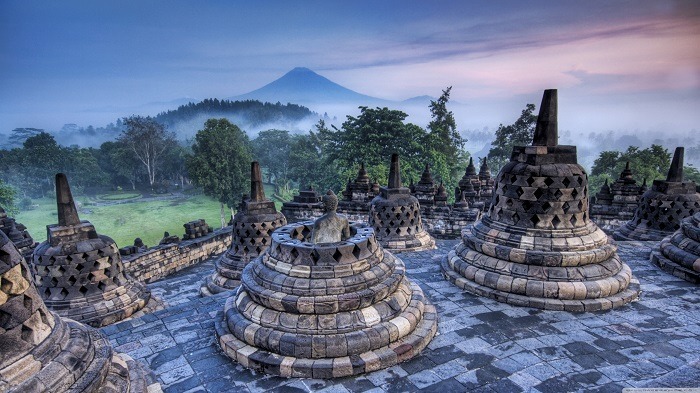
A Cultural Odyssey: Discovering Indonesia’s Diverse Heritage
Indonesia, the world’s largest archipelago, is a land of extraordinary cultural diversity. With over 300 ethnic groups and more than 700 languages spoken, the country offers a rich tapestry of traditions, beliefs, and customs. This cultural mosaic is evident in everything from the ancient rituals of the Toraja people in Sulawesi to the vibrant festivals of Bali. In this article, we will explore four distinct cultural regions of Indonesia—Sumatra, Bali, Sulawesi, and Flores—and delve into the unique heritage each has to offer.
1. Sumatra: The Land of the Batak
Sumatra, Indonesia’s largest island, is known for its diverse landscapes and rich cultural traditions. The Batak people, one of the island’s most prominent ethnic groups, have a distinct culture that is deeply rooted in their ancestral beliefs. Located in the northern part of Sumatra, the Batak region is centered around Lake Toba, the largest volcanic lake in the world. This stunning body of water is not only a natural wonder but also a cultural heartland for the Batak people.
The Batak are known for their traditional houses, known as “rumah adat,” which are characterized by their steeply pitched roofs and intricately carved facades. These houses are often built on stilts and are designed to accommodate large families. The Batak are also renowned for their music, particularly the use of traditional instruments like the “taganing” drums and the “suling” bamboo flute. Visitors to the region can experience Batak culture firsthand by attending traditional ceremonies, such as the “Mangalahat Horbo” (buffalo sacrifice), which is performed to honor ancestors and ensure prosperity.
2. Bali: Island of Art and Tradition
Bali is often described as a living gallery, where art, religion, and daily life are intertwined. The island’s Hindu culture is evident in every aspect of life, from the daily offerings placed at temples and shrines to the intricate dances and elaborate ceremonies that mark the Balinese calendar. Bali is home to thousands of temples, each with its own unique architectural style and spiritual significance. The most famous of these is the “Pura Besakih,” also known as the “Mother Temple,” which is located on the slopes of Mount Agung.
Balinese art is another integral part of the island’s culture. Traditional Balinese painting, sculpture, and dance have been passed down through generations, often with religious themes and motifs. The town of Ubud is the cultural heart of Bali, known for its art galleries, workshops, and performances. Visitors can explore the Agung Rai Museum of Art (ARMA) or take part in a traditional dance workshop to gain a deeper understanding of Balinese culture.
3. Sulawesi: The Sacred Rituals of the Toraja
Sulawesi, an island shaped like an orchid, is home to the Toraja people, who are famous for their elaborate funeral ceremonies and unique customs. The Toraja live in the highlands of central Sulawesi, where their traditional houses, known as “tongkonan,” are adorned with intricate carvings and buffalo horns. These houses are not only homes but also serve as a symbol of the family’s social status and are used for various ceremonies.
The Toraja are best known for their funeral rites, which are considered the most important events in their culture. These ceremonies, known as “Rambu Solo,” can last for several days and involve music, dancing, and the sacrifice of buffalo and pigs. The deceased are then buried in elaborate tombs carved into cliffs or placed in cave graves. These funerals are not seen as an end but as a passage to the afterlife, and they are attended by the entire community. Visitors to Sulawesi can witness these ceremonies and learn about the Toraja’s beliefs in the afterlife and the importance of ancestor worship.
4. Flores: A Tapestry of Traditions
Flores, an island located east of Bali, is a lesser-known gem that offers a wealth of cultural experiences. The island is named after the Portuguese word for “flowers,” reflecting its lush landscapes and rich biodiversity. Flores is home to several ethnic groups, each with its own language, customs, and traditions. The island is also known for its traditional weaving techniques, particularly the “ikat” textiles, which are handwoven using natural dyes and intricate patterns.
One of the most fascinating aspects of Flores’ culture is the “whip dance,” a traditional performance that involves two men engaging in a mock battle using whips. This dance, known as “Caci,” is performed during festivals and ceremonies, particularly in the Manggarai region. It is both a test of strength and a way to entertain the community. Flores is also home to the famous Kelimutu National Park, where visitors can see the three colored lakes, each of which holds spiritual significance for the local people.
Conclusion: A Journey Through Indonesia’s Cultural Heart
Traveling through Indonesia is like taking a journey through time, where ancient traditions coexist with modern life. The country’s cultural diversity is its greatest treasure, offering travelers the chance to experience a wide range of customs, languages, and art forms. Whether you’re exploring the ancient Batak culture in Sumatra, witnessing a Toraja funeral in Sulawesi, or participating in a Balinese dance performance, you will find that Indonesia’s rich heritage is both captivating and inspiring.