
“`html
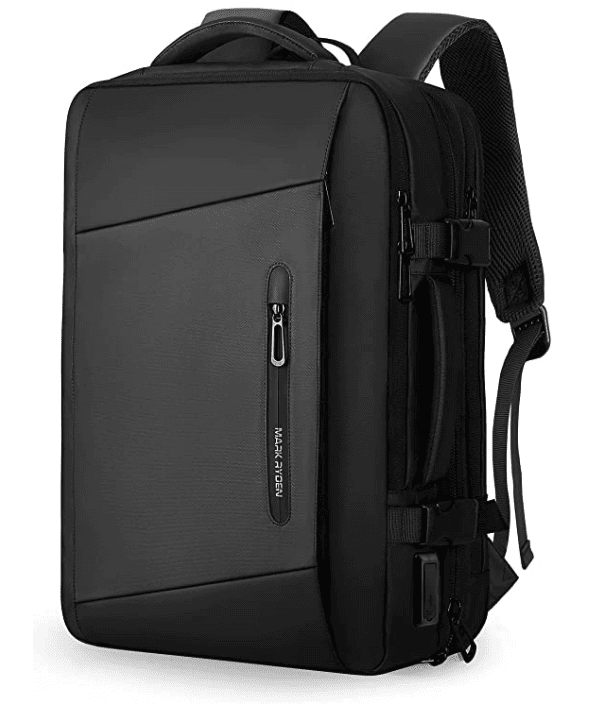
The Only Backpack You’ll Ever Need (For Anything)
Introduction
Let’s face it: We’ve all been there. Standing in the cluttered backpack aisle, overwhelmed by a sea of zippers, straps, and promises of unparalleled organization. “This one for hiking? This one for work? This one for…grocery shopping?” It’s enough to make you want to chuck all your belongings into a burlap sack and call it a day. But what if I told you that the quest for the perfect backpack could actually end? What if there was a single, versatile companion that could handle everything life throws your way, from scaling mountains to navigating boardrooms?
Sounds like a myth, right? Something out of a gearhead’s fantasy. But before you dismiss it as hyperbole, let’s delve into why the search for the “one backpack to rule them all” is so compelling and, more importantly, why it’s actually achievable.
The Backpack Blues: A Problem With Long-Term Baggage
The problem with having a closet full of specialized bags isn’t just the clutter (though that’s definitely a factor!). It’s the mental burden. Think about it: Before any outing, you’re stuck playing “Backpack Roulette.” Is this the right size? Does it have enough pockets? Will it look ridiculous if I wear it to this fancy-casual brunch?
This constant decision-making, even for something seemingly minor, drains your cognitive resources. It’s a subtle form of mental fatigue that can impact your focus and productivity throughout the day. Short-term, it’s just annoying. Long-term, it can lead to decision fatigue and even contribute to stress and anxiety.
Moreover, the constant cycle of buying new backpacks is, frankly, a drain on your wallet and the planet. Cheaply made bags fall apart quickly, ending up in landfills. Even pricier models can become obsolete as your needs evolve. It’s a wasteful cycle fueled by clever marketing and the promise of a “perfect” solution that’s always just out of reach.
The Quest for Versatility: Key Features to Consider
So, how do we break free from this backpack purgatory? The answer lies in finding a backpack that prioritizes versatility, durability, and thoughtful design. Here are the key features to look for:
- Adaptable Capacity: Look for a backpack with an expandable or compressible design. This allows you to adjust the volume based on your needs. A backpack that can shrink down for a day trip and expand for a weekend getaway is crucial. Look for features like compression straps or roll-top closures.
- Durable Materials: Durability is non-negotiable. Invest in a backpack made from high-quality, weather-resistant materials like ballistic nylon, Cordura, or waxed canvas. These materials can withstand the rigors of daily use and occasional adventures.
- Comfortable Carry: Even the most versatile backpack is useless if it’s uncomfortable to carry. Pay attention to the shoulder straps, back panel, and hip belt (if applicable). Look for features like padded straps, breathable mesh, and adjustable sternum straps to distribute weight evenly and prevent chafing.
- Smart Organization: Pockets and compartments are your friends, but not when they’re overdone. Look for a backpack with a well-thought-out organization system that includes dedicated compartments for your laptop, tablet, water bottle, and other essentials. Avoid backpacks with too many tiny, specialized pockets that end up being useless.
- Clean and Minimalist Design: A sleek, minimalist design is essential for versatility. Avoid backpacks with excessive logos, bright colors, or overly tactical features. A neutral color and simple silhouette will allow you to wear the backpack in a variety of settings, from the office to the trail.
Practical Solutions: Finding Your Perfect Fit
Okay, so we know what to look for. But where do you start? Here are a few practical approaches to finding your “one and only” backpack:
- The “Convertible” Approach: Some backpacks are designed to be incredibly adaptable. Think backpacks that can be converted into duffel bags or messenger bags. These offer maximum versatility for different travel scenarios. Example: A backpack with stowable shoulder straps and a detachable hip belt can be carried as a backpack, duffel bag, or even attached to rolling luggage.
- The “Modular” Approach: Modular backpacks feature a core backpack with detachable pouches and accessories that can be added or removed as needed. This allows you to customize the backpack for specific activities, such as adding a camera insert for photography trips or a hydration pack for hiking. Example: A core backpack with MOLLE webbing that allows you to attach various pouches for different purposes.
- The “Hybrid” Approach: This involves finding a backpack that strikes a balance between features and minimalism. It might not be the absolute best for any single activity, but it will perform well in a variety of situations. Example: A durable backpack with a dedicated laptop compartment, comfortable shoulder straps, and a water bottle pocket that can be used for both work and weekend hikes.
- Case Study: The Digital Nomad’s Choice: Many digital nomads swear by a single, durable backpack that can serve as their office, closet, and home on the go. They prioritize features like laptop protection, organizational compartments, and comfortable carry for long travel days. Often, they choose a 30-40 liter backpack made from durable, weather-resistant materials.
- Case Study: The Minimalist Professional: Professionals who value simplicity and efficiency often opt for a sleek, minimalist backpack with a dedicated laptop compartment and a few well-placed organizational pockets. They prioritize a clean design that blends seamlessly into a professional setting.
Alternatives to the “One Backpack” Philosophy (Yes, They Exist!)
While the “one backpack” approach is appealing, it’s not for everyone. If you have highly specialized needs (e.g., professional photography, multi-day backpacking), you might be better off with a dedicated backpack for those activities. However, you can still strive for versatility in your everyday backpack and minimize the number of bags you own.
Another alternative is to embrace the “capsule wardrobe” concept for your bags. Select a few high-quality, versatile bags that can be mixed and matched for different occasions. This could include a tote bag for everyday errands, a messenger bag for work, and a larger backpack for travel.
Taking Action: Start Your Backpack Revolution Today
Finding the perfect backpack, or reducing your backpack clutter, doesn’t have to be a daunting task. Start by identifying your core needs and priorities. What activities do you engage in most frequently? What features are most important to you?
Then, research and compare different backpacks, paying attention to the features discussed above. Read reviews, watch videos, and, if possible, try the backpack on in person before making a purchase.
Finally, don’t be afraid to experiment. It might take some trial and error to find the perfect fit. But once you do, you’ll be rewarded with a streamlined, organized, and stress-free life.
The quest for the perfect backpack isn’t just about finding a bag; it’s about simplifying your life, reducing clutter, and freeing up mental space for what truly matters. It’s about investing in a quality piece of gear that will serve you well for years to come. So, take the plunge, declutter your backpack collection, and embrace the freedom of having just one, truly versatile companion by your side. You might be surprised at how much lighter you feel, both physically and mentally.
“`