
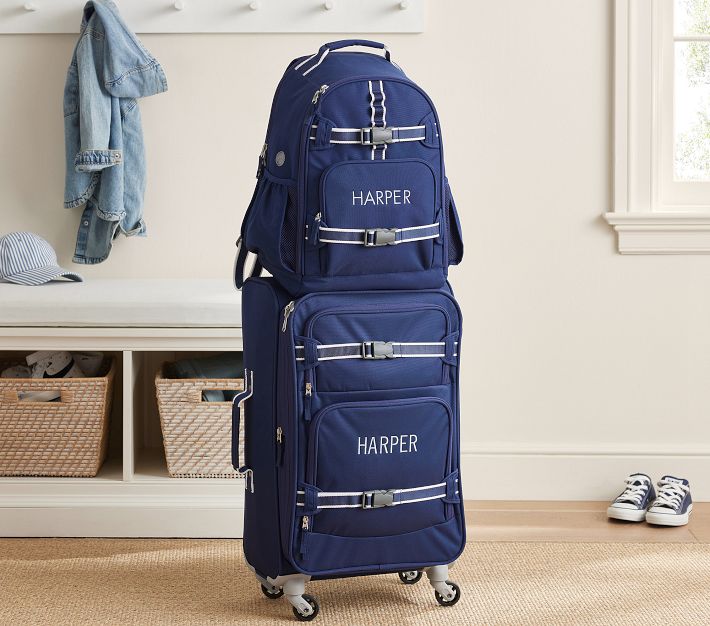
Your Next Adventure Starts Here: The Ultimate Travel Backpack
Introduction
Ever stared at a world map, dreaming of cobblestone streets in Rome, misty mountains in Peru, or bustling markets in Bangkok? That itch to explore, that yearning for the unknown – it’s a powerful feeling. But before you can live out those travel fantasies, there’s a crucial first step: packing. And not just any packing, but strategically choosing the right travel backpack.
For many, the thought of packing conjures images of overflowing suitcases, crumpled clothes, and the sheer panic of realizing you’ve forgotten something essential. But what if packing could be… liberating? What if the very bag you choose could empower you to travel lighter, move faster, and experience more?
This isn’t just about finding a bag; it’s about unlocking a whole new way to travel.
The Problem: More Than Just Heavy Luggage
Think about your last trip. Did you spend precious vacation time wrestling an unwieldy suitcase through crowded train stations? Did you pay exorbitant baggage fees at the airport? Or perhaps you suffered the indignity of realizing your carefully packed clothes were a wrinkled mess upon arrival?
These are just the short-term annoyances. The real problem with inadequate travel luggage goes much deeper:
- Hindered Mobility: An oversized bag limits your spontaneity. Imagine stumbling upon a hidden gem, a local festival tucked away down a narrow alleyway. Are you going to drag a suitcase through that? Likely not. You’ll miss out on authentic experiences.
- Increased Stress: Constantly worrying about your belongings, lugging heavy weight, and unpacking/repacking repeatedly takes a toll. This stress eats away at your relaxation and enjoyment.
- Financial Drain: Baggage fees add up quickly, especially on longer trips or with multiple flights. Choosing a smart backpack could save you hundreds of dollars.
- Missed Opportunities: An overloaded bag can physically wear you down, making you less likely to participate in activities, hikes, or spontaneous adventures. You’re essentially limiting your own potential for discovery.
- The Environmental Impact: More luggage often means more weight for airplanes to carry, increasing fuel consumption and contributing to a larger carbon footprint.
The right travel backpack isn’t just about carrying your belongings; it’s about safeguarding your freedom, your well-being, and even your wallet. It’s an investment in a smoother, more enriching travel experience.
Solution: The Art of the Travel Backpack
Choosing the right travel backpack is a personal journey, but here are key considerations and approaches to help you find your perfect match:
- Size Matters (But Not Too Much!):
- Carry-On Compliance: The golden rule! Aim for a backpack that meets most airlines’ carry-on size restrictions (typically around 22 x 14 x 9 inches). This eliminates baggage fees and reduces the risk of lost luggage.
- Capacity Considerations: Think about the length of your trip and your packing style. A 30-40 liter backpack is generally sufficient for short trips (1-5 days), while a 40-50 liter backpack might be better suited for longer journeys.
- Fit is Key: Don’t just focus on liters! Try the backpack on with some weight inside. Make sure the shoulder straps are comfortable and adjustable, and that the hip belt (if present) sits properly on your hips to distribute the load.
Example: Sarah, a frequent weekend traveler, switched from a bulky suitcase to a 35-liter backpack. She now breezes through airports, avoids baggage claim hassles, and feels much more agile exploring new cities.
- Features to Look For:
- Organization: Internal compartments, pockets, and compression straps are crucial for keeping your belongings organized and accessible.
- Durability: Invest in a backpack made from durable, water-resistant materials. Ripstop nylon or canvas are good choices.
- Comfort: Padded shoulder straps, a ventilated back panel, and a supportive hip belt (for larger packs) will make a significant difference in comfort, especially when carrying the bag for extended periods.
- Security: Look for features like lockable zippers, hidden pockets, or RFID-blocking compartments to protect your valuables.
- Accessibility: A clamshell opening (like a suitcase) makes packing and unpacking much easier than traditional top-loading backpacks. External access pockets for water bottles, maps, and other essentials are also a plus.
- Different Strokes for Different Folks: Exploring Alternative Approaches
Not all travel backpacks are created equal. Here are a few different types to consider, depending on your travel style:
- The Traditional Travel Backpack: These backpacks are designed specifically for travel, with features like clamshell openings, internal organization, and comfortable suspension systems. They’re a good all-around choice for most travelers.
- Example: Osprey Farpoint/Fairview series, Tortuga Setout.
- The Hiking Backpack (Converted): A hiking backpack can be converted into a travel backpack with the use of packing cubes. Offers excellent comfort and durability, but may lack some of the travel-specific features.
- Example: Deuter Aircontact Lite, Gregory Baltoro/Deva.
- The Minimalist Backpack: Lightweight and streamlined, these backpacks are ideal for minimalist travelers who want to pack as little as possible.
- Example: Aer Travel Pack, Peak Design Travel Backpack.
- The Roller Backpack Hybrid: If you’re unsure about carrying a backpack all the time, a roller backpack offers the flexibility of wheels and a retractable handle, with the option to convert it to a backpack when needed.
- Example: High Sierra AT8 Wheeled Backpack, Eagle Creek Expanse Wheeled Duffel.
- The Traditional Travel Backpack: These backpacks are designed specifically for travel, with features like clamshell openings, internal organization, and comfortable suspension systems. They’re a good all-around choice for most travelers.
- Mastering the Art of Packing Light:
Even the best travel backpack won’t solve your problems if you overpack. Here are some tips for packing light:
- Plan Your Outfits: Choose versatile clothing items that can be mixed and matched.
- Roll, Don’t Fold: Rolling your clothes saves space and reduces wrinkles.
- Use Packing Cubes: Packing cubes help organize your belongings and compress your clothes.
- Wear Your Heaviest Items: Wear your bulkiest shoes and jacket on the plane.
- Embrace Laundry: Doing laundry on the road can significantly reduce the amount of clothing you need to pack.
- Leave “Just In Case” Items Behind: Be honest with yourself about what you really need.
Case Study: The Transformation of David
David used to dread packing for his business trips. He’d lug a heavy suitcase filled with unnecessary items, arriving at meetings stressed and disorganized. He finally invested in a high-quality travel backpack, learned to pack light using the tips above, and his travel experience was completely transformed. He now arrives feeling refreshed, organized, and ready to tackle his work. He even found he had more time to explore the cities he visited.
Conclusion: Adventure Awaits!
Choosing the right travel backpack is an investment in yourself and your future adventures. By focusing on size, features, comfort, and your personal travel style, you can find a backpack that empowers you to explore the world with greater freedom, ease, and enjoyment.
The world is waiting, full of incredible experiences just begging to be discovered. Don’t let heavy luggage hold you back. Embrace the art of the travel backpack, pack light, and embark on your next adventure with confidence and excitement. Your journey starts now!